Informazionealternativa.it: verità senza censura
Informazioni indipendenti su politica, musica e arte
INFO & CONTATTI
hunter9.1@hotmai.it
Informazionealternativa.it offre notizie senza censura da fonti alternative.
Informazionealternativa.it @ All Right Reserved 2024
informare senza censure
MISSION
la maggior parte delle informazioni che trovi sul web o in tv o sui giornali spesso è filtrtata per non dire censurata dalla narrativa occidentale
Qui troverai informazioni senza censura da fonti alternative sempre citate.

Donec rutrum congue leo eget malesuada. Mauris blandit ultimi aggiornamenti sulla situazione in Palestina
Eliana Riva, 24 ore di terrore: i coloni ammazzano quattro palestinesi, Il Manifesto, 10 marzo 2026
PALESTINA RIMOSSA Comunità disarmate e sole: dall’inizio dell’attacco all’Iran, i settler hanno ucciso otto persone. E Ben Gvir distribuisce altre armi. Nella Striscia bombe sulle tende a Nuseirat: tra le vittime una bambina e una giornalista
Nel giro di 24 ore gli attacchi terroristici dei coloni hanno ucciso quattro palestinesi nella Cisgiordania occupata. Sabato, a Masafer Yatta, Amir Shanaran, 27 anni, e suo fratello Khaled sono stati attaccati da coloni penetrati nel villaggio. Amir è morto sul colpo, mentre suo fratello è stato trasportato in ospedale in gravi condizioni.
Nelle prime ore di domenica, intorno alle 2 del mattino, gli israeliani sono arrivati con il volto coperto anche ad Abu Falah, nei pressi di Ramallah, armati di mazze e pistole. Quando i residenti hanno provato ad allontanarli, i coloni hanno cominciato a sparare. Almeno sette persone sono rimaste ferite.
COLPITI ALLA TESTA, Thaer Farouq Hamayel, 24 anni, e Farea Jawdat Hamayel, 57 anni, sono morti all’istante. I militari israeliani, giunti quaranta minuti dopo l’inizio del raid, non hanno provato a fermare né a identificare gli aggressori; al contrario hanno sparato lacrimogeni sui palestinesi, compresi i feriti. Il 54enne Mohammed Hassan Murra è deceduto in ospedale dopo aver respirato i gas dei soldati.
Nel giro di otto giorni, da quando Israele e Stati uniti hanno lanciato il loro attacco all’Iran, i coloni illegali hanno ucciso otto persone nella Cisgiordania occupata.
Le dichiarazioni che rilascia l’esercito in seguito alle stragi si somigliano tutte: «Stiamo lavorando per raggiungere rapidamente i responsabili e consegnarli alla giustizia», ha commentato il capo del comando centrale. Ma per i palestinesi la giustizia israeliana semplicemente non esiste. Nella maggior parte dei casi i coloni non vengono neanche interrogati, i militari non effettuano fermi né arresti: sono solo i palestinesi a essere minacciati e portati via in manette.
Nelle poche occasioni in cui gli israeliani vengono trattenuti, sono poi puntualmente rilasciati in tempi brevi e ritornano, impuniti, alle azioni di rappresaglia. Spesso chi ha ucciso si ripresenta sul luogo del delitto, con passeggiate provocatorie davanti alle abitazioni dei familiari delle vittime. I numeri dei raid erano già senza precedenti ma, da quando l’attenzione mondiale si è spostata sull’Iran, gli attacchi dei coloni sono aumentati di circa il 25%, secondo l’organizzazione Al-Bidar.
GLI SFOLLAMENTI forzati, obiettivo ultimo dei raid, avvengono quotidianamente: centinaia di famiglie palestinesi sono abbandonate a se stesse, lasciate senza alcuna protezione ad affrontare, disarmate, coloni ed esercito. Non solo uccisioni e violenze, ma anche la distruzione delle case, l’appropriazione di qualsiasi tipo di risorsa naturale necessaria alla sopravvivenza, i furti di animali, la distruzione delle piante.
A est di Tubas, coloni hanno attaccato i residenti del villaggio di Tayasir e nelle sorgenti termali di al-Maleh, dove hanno rubato bestiame, danneggiato abitazioni e devastato una scuola. A Khirbet Samra le tende sono state razziate durante la notte, terrorizzando donne e bambini e causando lo sfollamento forzato di circa 15 famiglie.
Come già accadde poco prima della Nakba del 1948, ai palestinesi viene imposto il disarmo mentre pistole e fucili sono distribuiti liberamente ai coloni e ai cittadini ebrei di Israele. Ieri il ministro della Sicurezza nazionale, il suprematista Itamar Ben Gvir, ha dichiarato che i cittadini di Gerusalemme ovest potranno richiedere il porto d’armi anche se non rispettano i requisiti previsti dalla legge.
L’unico elemento utile per la concessione della licenza sarà la residenza in uno dei 41 quartieri ebraici della città. Sono inclusi coloro che non hanno svolto il servizio militare, compresi gli ultra-ortodossi, esentati dalla leva obbligatoria. Ben Gvir lo ha definito un «diritto fondamentale», da esercitare soprattutto durante la guerra e il Ramadan. Un periodo nel quale ai palestinesi sono disconosciuti i diritti basilari, come quello alla libertà di culto: il governo israeliano continua a tenere chiusa la moschea di al-Aqsa, terzo luogo sacro per l’Islam.
INTANTO, LA STRISCIA di Gaza è nuovamente sprofondata in quel baratro dal quale sperava di riemergere durante il cessate il fuoco. La chiusura dei valichi decisa da Israele dopo l’attacco all’Iran ha provocato un immediato ritorno dell’incubo carestia. I prezzi dei beni di prima necessità sono esplosi.
Mentre Rafah resta chiusa, il passaggio di Karem Abu Salem permette solo ingressi limitatissimi. Nella notte tra domenica e lunedì le bombe israeliane sono state sganciate sulle tende del campo profughi di Nuseirat, causando la morte della giornalista di Qatar Radio, Amal Shamali. Insieme a lei sono stati uccisi Nour Saleh al-Shalalfa e Salsabeel Anwar Faraj, di appena 12 anni, colpita mentre dormiva. Una bambina di quattro anni, Julia al-Qedra, è stata uccisa insieme a suo padre in un bombardamento a Khan Younis.
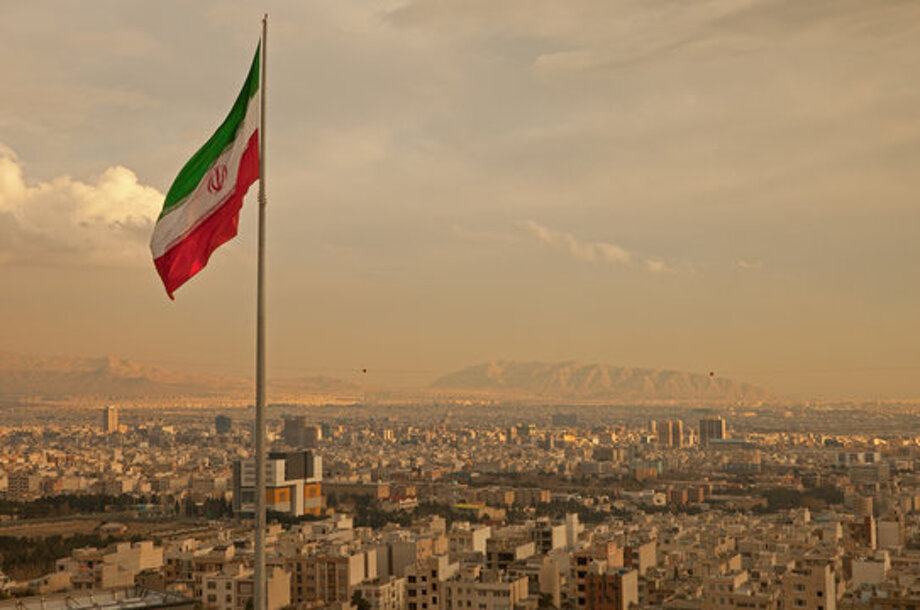
L’Iran non si arrende
Israele vuole combattere fino all’annientamento di ogni presunto nemico.
Piu’ di 20 000 mila bambini Palestinesi uccisi senza contare donne uomini e giornalisti uccisi.
Un bambino Palestinese o Iraniano vale meno di uno occidentale?
Secondo quale legge????
Israele bombarda scuole e ospedali con la stessa scusa: legittima difesa.
A che punto finisce la legittima difesa?
In Italia non puoi difenderti neanche se ti entrano in casa armati.
Qua siamo all’assurdo,
con la scusa del diritto alla difesa accusano mezzo mondo di essere terroristi,
ma chi è condannato dalla corte internazionale di giustizia?
L’ex Ayatoallah?
No
Neta.
Uno è morto l’altro continua a uccidere e spargere terrore.
Chi sono i terroristi?
I Muslumani?
Hezb Allah?
Chi ha le bombe nucleari?
Iran?
Israele non ha nessuna bomba nucleare?+
la Francia non ha nessuna bomba nucleare?
L’inghilterra? Gli USA? La Russia?
Attualmente Israele si trova nel sud del Libano e continua a uccidere con il pretesto della legittima difesa.
Non ci sarà pace finché non ci saranno due stati due popoli come da risoluzioni Onu.
Come da accordi Clinton Sharon Arafat
come da accordi nel 2002 in Libano.
Ora basta
stop war
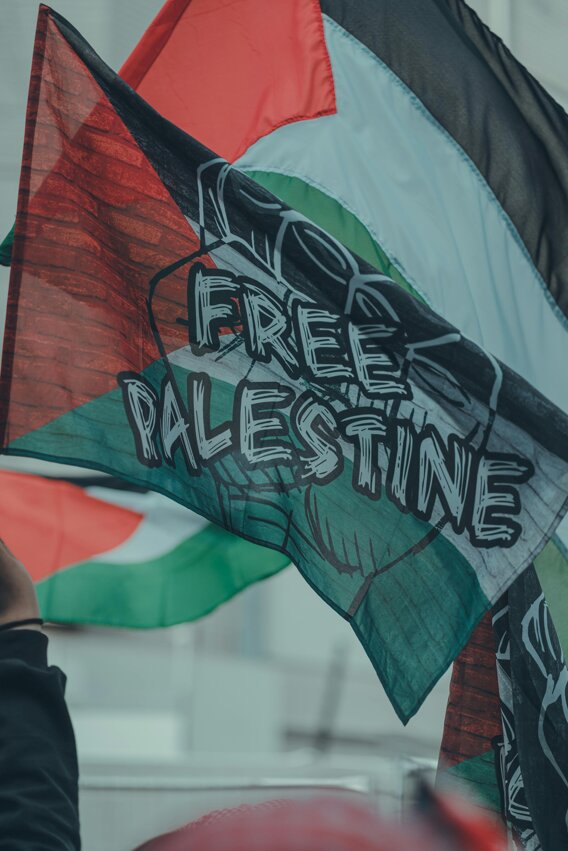
from the river to the sea free Felestin